

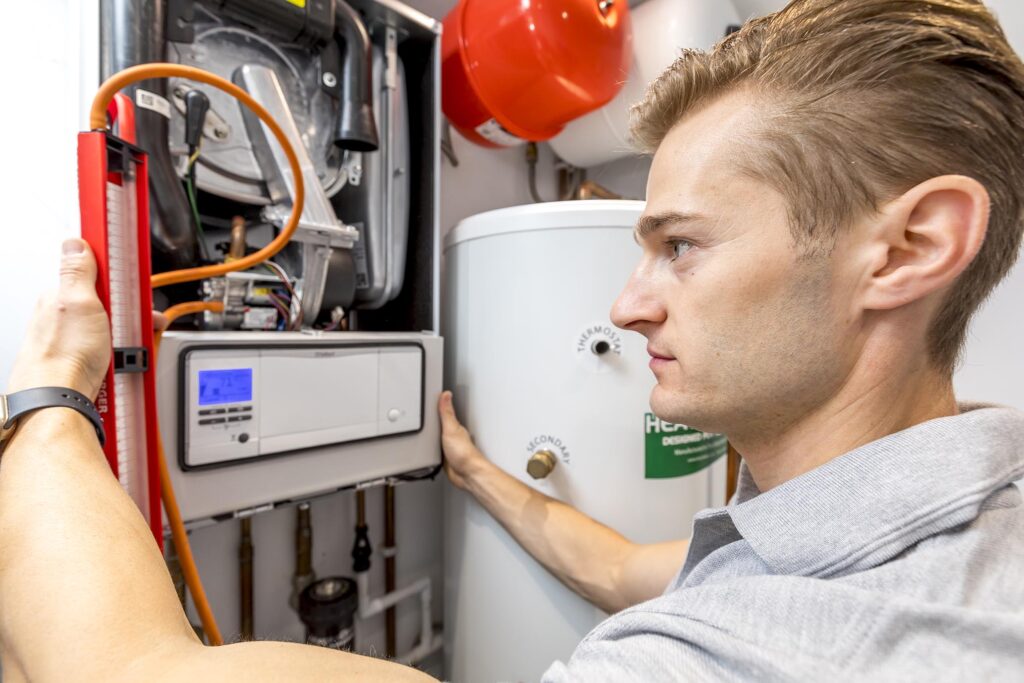
A landlord gas safety certificate is one of those bits of paperwork that feels admin heavy, but it quietly sits at the heart of safe, legal renting in the UK. It proves that the gas appliances and flues in your rental property have been checked by a qualified Gas Safe registered engineer and are safe for your tenants to use. For landlords across Essex and London, getting this right is not just a legal requirement, it is a practical way to protect your property, your tenants and yourself.
Lazard Plumbing works with landlords, letting agents and housing associations carry out gas safety checks, boiler service work and ongoing maintenance and safety checks across domestic premises, so you are not left guessing what the rules actually mean in day to day terms.
What is a Landlord Gas Safety Certificate?
At its core, a landlord must obtain a gas safety certificate for any rental property that has gas appliances or gas installation pipework. This safety certificate is a formal gas safety record that confirms a qualified engineer has inspected the gas equipment and found it to be safe at the time of the visit.
In simple terms, a landlord gas safety certificate is:
- A document confirming that gas appliances and flues supplied by the landlord are deemed safe at the time of a gas safety inspection.
- Issued by an individual operative who is a Gas Safe registered engineer, with a payroll number unique to them on the Gas Safe Register.
- A record that must be renewed with an annual gas safety check, with an expiry date clearly shown.
- Evidence that the landlord has met their legal requirement under the Gas Safety (Installation and Use) Regulations for gas safety in domestic premises.
The gas safety record usually includes details such as the property address, the landlord’s agreement or letting agent contact details, the appliances and flue checked, the gas pressure or heat input, any safety devices tested, and whether any remedial action is legally required. It forms the basis for all landlord plumbing and heating responsibilities, which is why it naturally leads into the question of legal compliance.
Landlord Services
Legal Importance and Compliance
In UK law, a gas safety certificate is required by law for most rented homes that have a gas supply. The regulations state that landlords must keep gas appliances, flues and associated installation pipework in a safe condition and have them checked every 12 months by Gas Safe engineers.
Key legal requirements include:
- Arrange an annual gas safety check on every gas appliance and flue you provide in the rental property.
- Use a Gas Safe registered engineer listed on the official Gas Safe Register website, not just any gas engineer.
- Keep a gas safety check record for at least two years and provide an electronic copy or paper copy to existing tenants within 28 days, and to new tenants before the tenancy begins.
- Ensure the gas equipment you supply is safely installed and maintained in line with the safety installation and use regulations, alongside your wider responsibilities for electrical safety and general health and safety.
If you ignore these duties, the Health and Safety Executive and local authorities can investigate. Non compliance can result in enforcement notices, fines, or even prosecution, because gas leaks and carbon monoxide poisoning are treated as serious health and safety risks rather than minor admin errors. Understanding how to stay compliant naturally raises the next question: how do you actually get and keep this certificate up to date?
How to Obtain and Maintain a Gas Safety Certificate
A Gas Safe engineer issues a gas safety certificate after completing the required checks on your rental property. For many landlords, working with a local firm like Lazard Plumbing keeps this straightforward, as they can handle both the annual check and any remedial work that crops up during a visit.
To obtain a certificate:
- Hire a Gas Safe registered engineer by checking the Gas Safe Register website or using a trusted contractor your letting agent or housing association recommends.
- Arrange an annual gas safety check that covers every relevant appliance, flue and the gas meter as part of the gas supply system, including installation pipework.
- Allow the gas operative access to the property on the agreed date so they can carry out safety checks, test gas pressure, confirm safety devices are working and complete the gas safety inspection.
- Receive the safety certificate or electronic record directly once the property is deemed safe, or a notice stating what remedial action is required if something fails.
To maintain compliance year after year:
- Schedule inspections and the annual boiler service ahead of the expiry date, taking advantage of the flexibility that allows checks to be done up to two months early while keeping the same renewal date, which is helpful when you have tenants explaining access issues or bank holidays in the way.
- Make at least three attempts to gain access if a tenant misses their own appointment and keep records of those attempts, as this can show you have acted reasonably depending on the individual circumstances.
- Keep records for at least two further check cycles and store an electronic record safely alongside your tenancy agreement, landlord’s gas paperwork and other secure systems.
- Use the visit to discuss boiler service needs, carbon monoxide alarms and any concerns about gas appliances with the qualified engineer, so you are not just ticking the legal box but improving safety.
Once you understand the process, the next practical concern is usually cost and how often you are going to have to budget for a new certificate.
Costs and Renewal of Gas Safety Certificates
Every certificate needs renewal, and the costs are usually modest when you compare them with the risk of a gas incident or legal action. Typical cost factors:
- The size of the rental property, number of gas appliances and complexity of the installation pipework.
- Whether you combine your gas safety checks with a boiler service, which can be cost effective if the engineer does both in one visit.
- Local market rates and any agreements you have with a regular contractor or letting agent who manages visits on your behalf.
Renewal must be completed every 12 months and can be booked up to two months early without changing the expiry date, which gives you breathing room around weekends and bank holidays. Once the cost and timing are clear, it is easier to focus on what really matters: the people living in your property.
Contact Us
Ensuring Tenant Safety and Rights
Gas safety certificate compliance directly supports tenant safety, which is why the Health and Safety Executive treats it as non negotiable. Tenants have a right to a home that is safe from gas leaks, carbon monoxide and other avoidable hazards, and the gas safety record is the practical proof that the landlord takes that duty seriously.
From a tenant’s point of view, good practice looks like this:
- They have clear rights to safe living conditions and should receive the latest gas safety record or electronic copy within 28 days of the annual check, and before new tenants move in.
- They can see a notice stating any remedial action that was needed, and they know a new certificate will be issued once that work is completed and the installation is deemed safe again.
- They understand who to contact (landlord, letting agent or housing association) if they smell gas, have concerns about their own appliances, or need the national gas emergency service number explained at the start of the tenancy.
On the safety side, landlords should:
- Install carbon monoxide alarms where required and test them on the day a new tenancy begins, alongside smoke alarms and basic electrical safety checks.
- Make sure all gas equipment they supply, including boilers, cookers and fires, is installed and maintained by Gas Safe engineers, and that safety devices are not subject to interference by unqualified people.
- Provide clear contact details so tenants know how to report issues quickly and understand that gas safety checks are for their protection, not simply a box ticking exercise.
Handled well, these steps give both landlord and tenant peace of mind. The certificate becomes part of the normal flow of contractual arrangements between landlord and tenant, rather than a last minute scramble each year.
Closing Thoughts
Keeping an up to date landlord gas safety certificate is legally required, but it is also a practical way to protect your property, your tenants and your own position as a landlord in Essex, London and beyond. When you work with a qualified engineer through a reliable local firm like Lazard Plumbing, your gas safety checks, boiler service bookings and follow up work fit neatly into your annual routine instead of feeling like a constant fire drill.
Get a quote and find out more about our landlord services.
FAQs
1. How long is a landlord gas safety certificate valid for?
A landlord gas safety certificate is valid for 12 months from the date of the gas safety check. You must arrange a new annual gas safety check before the current expiry date so there is no gap in cover.
2. Who pays for the gas safety certificate, the landlord or the tenant?
The cost of the gas safety inspection and certificate is the landlord’s responsibility and is part of meeting their legal requirement under gas safety regulations. It cannot be passed on to the tenant as an extra charge for routine compliance checks.
3.How does a gas safety certificate help prevent carbon monoxide poisoning?
A valid gas safety certificate shows that a Gas Safe registered engineer has checked your gas appliances, flues and ventilation for faults that could lead to carbon monoxide poisoning. Regular annual checks, combined with properly installed carbon monoxide alarms, reduce the risk of hidden faults and give both landlords and tenants early warning if something is wrong.