
Energy prices continue to fluctuate in 2025, and gas bills are still rising after several years of instability. With the UK government focused on reaching net zero emissions and around 85% of homes still using gas boilers, many households are now looking for more efficient and sustainable ways to heat their homes.
Heat pumps are one option that has grown in popularity. They offer long-term savings and environmental benefits, but they are not always suitable for every property.
In this guide, we explore how heat pumps work, the benefits they offer, and whether they could be the right choice for your home this year.
What are heat pumps?
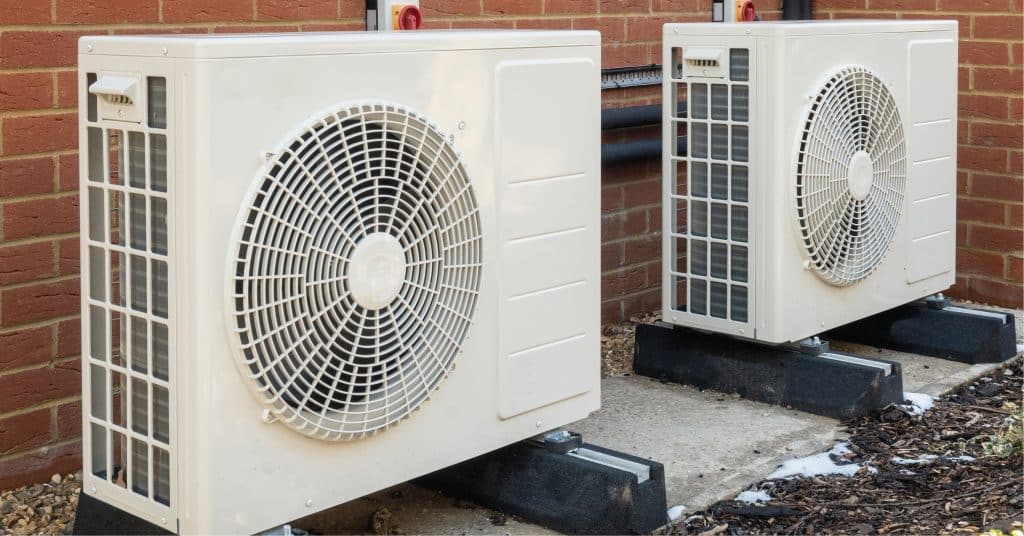
Heat pumps are an alternative to the gas powered boiler. They are powered by electricity, and work in a similar way to a refrigerator – but in reverse. Extracting warmth from the outside air, the ground, or a nearby water source they then concentrate that heat and transfer it into the home. They tend to look like a standard air-conditioning unit.
There are several types of heat pumps that draw heat from different sources. Air source, ground source and water source heat pumps are all options when it comes to changing your heating.
The air source pump, for example, absorbs heat from the air into a liquid refrigerant at a low temperature. The electric-powered pump then compresses the liquid to increase the temperature and sends the heat to your radiator or underfloor heating. The remaining heat can be stored in a hot water cylinder, to be used for showers, baths and taps.
What are the benefits of installing a heat pump?
While the pump uses electricity to run, it typically uses less electrical energy than the heat it produces, making it an energy-efficient way to warm your home, costing less than a gas powered boiler in some circumstances.
While heat pumps are typically more expensive to install than the standard gas boiler, many types will qualify for government grants over the next three years as part of the UK Government’s plan to cut Britain’s reliance on fossil fuel heating.
A properly installed heat pump can keep temperatures comfortable even in the coldest weather. They are designed to keep indoor spaces at a steady temperature with gentle top-ups through the day, rather than ramping up quickly with a quick blast of fossil fuels like a traditional gas boiler.
Equally, despite the reputation heat pumps have gained for being noisy, modern heat pumps make no more noise than a fridge.
The Drawbacks of Heat Pumps
While there are plenty of reasons to consider installing a heat pump system, it’s important to weigh up the potential downsides before making the switch.
1. Heat pump units cost more than traditional boilers
One of the biggest considerations is the upfront cost. Having a heat pump installed is typically more expensive than replacing a traditional gas boiler. For example, installing an air source heat pump unit could cost between £7,000 and £20,000, while a ground source heat pump may cost anywhere from £15,000 to £40,000.
That said, help is available. The Government’s Boiler Upgrade Scheme offers a grant of £7,500 towards the cost of replacing an oil or gas boiler with a new heat pump system, making it much more affordable for many households.
2. You may need to upgrade your existing radiators
Heat pumps run at lower temperatures than gas boilers, meaning they work best in a well insulated home with a modern central heating system. If your home still uses smaller or older radiators, you might need to replace them with larger versions to get the best performance from your new heating system.
This can increase the overall cost of the installation, especially when compared with swapping out a boiler where you can usually connect to existing radiators.
Are heat pumps worth the investment?
The value of a heat pump installed in your home depends on a few key factors, including your budget, the energy efficiency of your property, and the current state of your central heating system.
For newer properties that are already well insulated and fitted with larger radiators or underfloor heating, a heat pump system could offer a more energy-efficient way to heat your home and produce hot water. Plus, the Boiler Upgrade Scheme can significantly reduce the initial cost.
In older homes, installing a heat pump unit can still be worthwhile – but you may also need to improve insulation, upgrade radiators, or make other changes to boost your energy performance certificate rating. In some cases, especially with ground source heat pumps, you might also need to check whether planning permission is required before starting work.
If you’re unsure, the team at Lazard can help assess your home and recommend how to layout and install plumbing systems.

Will heat pumps replace boilers?
Despite their benefits, heat pumps are not ideal for every home. They work best in homes with properly insulated windows, walls and roofs. This makes them a great choice for new-build homes. However, it’s a mistake to assume that every older household should consider retroactively installing heat pumps and pulling out all of their gas boilers. Avoid these common plumbing mistakes.
Gas boilers do have a place in heating homes that require a more intense blast of heat – and looking to the future, there’s even a lot of scope for sustainably produced green gas that could power these more efficiently and sustainably.
Heat pumps also require a lot of outdoor space – either in a borehole for ground source pumps, or directly outside your home if you don’t have the space for this.
Closing Thoughts
Heat pumps can be a great choice, depending on your type of home. However, it is a complicated decision that can be costly to get wrong – so it’s worth doing your research.
Lazard can help you. Whether you’re looking into cheaper or more energy efficient ways of heating your home, or you need to upgrade your current boiler, we can go through the options and look at what heating source will work best for your home and your budget.
We’re experts in installing heat pumps and boilers, as well as ongoing maintenance.
For complete peace of mind home plumbing solutions, contact our friendly team on 01708 502 346.
FAQs
Do I need to remove my existing boiler to install a heat pump?
Not always. While many heat pump owners choose to fully replace their existing boiler, it is sometimes possible to keep the boiler as a backup system in what’s known as a hybrid setup. This can be useful in older properties or during particularly cold spells. A professional heat pump installer can assess your current system and advise on the best approach during the installation process.
How do I know if my home is heat pump ready?
A home is considered heat pump ready if it’s well insulated, has a suitable outdoor space for the unit, and features an efficient central heating system. You’ll get the most out of your heat pump if your home retains heat well and your radiators or underfloor heating can distribute low-temperature heat effectively. A trusted installer can help assess this and may recommend checking or improving your energy performance certificate rating.
How much will it cost and how can I get a heat pump quote?
The cost of heat pump installation can vary depending on the type of system, property size, and whether upgrades are needed. To get an accurate heat pump quote, you’ll need a home survey by a qualified heat pump installer. While the upfront cost can be higher than replacing a boiler, many heat pump owners see a reduction in heating costs and energy bills over time, especially when using government support like the Boiler Upgrade Scheme.