

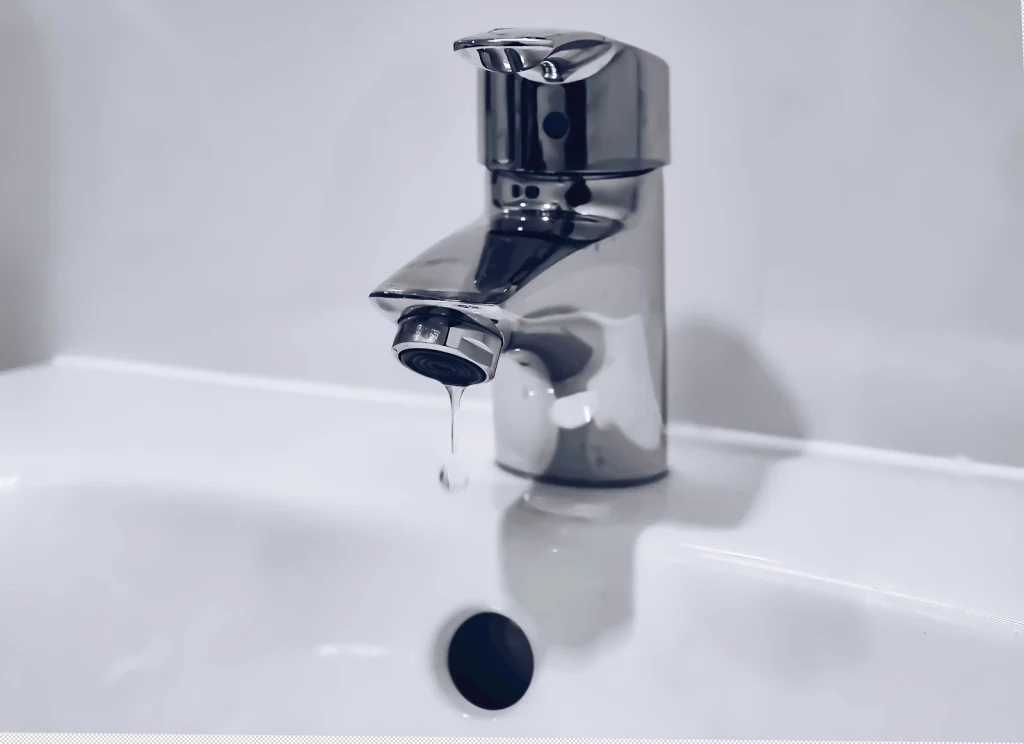
Ever been in that frustrating moment when you’re all set for a soothing shower, but instead, you’re met with an underwhelming trickle from your shower head? Experiencing low water pressure is surprisingly common and can disrupt more than just your morning routine.
This issue can stem from a variety of causes, both within and outside your home. Blocked pipes, elusive water leaks, and even water supply line issues can play their dastardly part.
You might be asking, “What can I do to fix low water pressure?” That’s what Lazard Plumbing, go-to plumber for reliable plumbing solutions, aims to address in this guide. We’ll help you decipher the mystery of water pressure drops and walk you through potential fixes to bring back the flow you deserve across your whole house.
Causes of Low Water Pressure and Potential Solutions
Understanding Water Supply and Its Impact on Pressure
Water pressure is primarily determined by your water supply and the flow of water through your plumbing system. When disruptions occur in these areas, low pressure in your home is often the result. The main culprits behind reduced water pressure typically include pipe blockages, leaks, trapped air, and issues with the water metre valve or internal stop tap.
- Pipe Blockages: Over time, mineral build-up, especially in hard water areas, can narrow pipes and reduce water flow. This is particularly common in older homes or those with a gravity fed water system.
- Leaks: Hidden water leaks siphon off water meant for your fixtures, leading to reduced pressure.
- Water Supply Issues: High water demand, planned maintenance, or external water supply line issues can impact flow into your property.
- Frozen Pipes: During colder months, frozen pipes can restrict flow and cause sudden pressure drops.
Water flow disruptions directly affect hot water pressure and cold water tap performance across your home. Conducting regular plumbing system inspection checks can help identify early signs of issues.
Emergency Plumber Essex services
How Burst Pipes and Leaky Connections Reduce Pressure
Burst pipes and leaky connections are major contributors to water pressure drops. A burst pipe can significantly reduce pressure throughout the whole house, while smaller leaks can gradually worsen.
Signs to watch for:
- Wet spots on walls, ceilings, or floors
- Unexpected increases in water usage or bills
- Strange noises in pipes
- Weak toilet flush or inconsistent hot water
Preventive measures include insulating pipes, especially in winter, and scheduling routine inspections with a qualified plumber.
Diagnosing Water Pressure Problems
Using Water Pressure Gauges to Measure Effectiveness
A water pressure gauge is a simple but effective way to diagnose issues.
Steps:
- Attach the gauge to a cold water tap
- Open fully and record the reading
- Normal pressure ranges between 40–60 PSI
If readings are low, it may indicate a need for a pressure boosting pump or adjustments to your water pressure regulator.
Role of Main House Shutoff Valve in Controlling Pressure
The internal stop tap (main shutoff valve) plays a key role in maintaining pressure.
Steps to check:
- Locate the valve near where water enters your home
- Ensure it is fully open
- Inspect for wear or partial blockages
A partially closed valve can restrict flow and reduce pressure throughout your plumbing system.
Effective Solutions for Low Water Pressure
Leveraging Booster Pumps to Enhance Water Flow
Installing a pressure boosting pump (or pressure boosting pump system) is ideal for homes struggling with consistently low supply, especially in gravity fed water systems.
Benefits:
- Helps increase water pressure across the whole house
- Improves performance of showers, taps, and appliances
- Supports underfloor heating installation systems that require steady flow
Professional installation is recommended to avoid damaging your system.
Benefits of Pressure Regulator Adjustment for Consistent Pressure
A water pressure regulator, also known as a pressure reducing valve, helps maintain balanced pressure.
Adjustments may involve:
- Checking the current setting
- Making small turns to regulate flow
- Monitoring results across fixtures
If needed, a full water pressure regulator installation can stabilise pressure and protect your plumbing.
The Importance of Regular Plumbing Maintenance
Preventing Mineral Build-Up in Pipes and Ensuring Longevity
Routine maintenance helps prevent issues that lead to low pressure.
Maintenance tips:
- Schedule annual boiler system inspection
- Descale pipes to remove mineral build-up
- Check for trapped air or hidden leaks
- Monitor water usage for unusual spikes
This ensures consistent pressure and extends the lifespan of your plumbing.
Professional Plumbing Services: When to Call an Expert
Some issues require professional attention.
Call a plumber if:
- You are consistently experiencing low water pressure
- Adjustments to valves or regulators don’t help
- You suspect hidden water leaks or supply line issues
- You need installations such as a pressure boosting pump or water pressure regulator installation
Our team of Gas Safe engineers offers reliable support, from emergency repairs to system upgrades.
Summary and Key Takeaways
Low water pressure can be frustrating, but it’s often fixable with the right approach.
- Common causes include blockages, leaks, frozen pipes, and high water demand
- Tools like pressure gauges help diagnose issues
- Solutions include installing a pressure boosting pump or adjusting a pressure reducing valve
- Regular plumbing system inspection is essential
- Professional plumbers can resolve persistent or complex problems
Closing Thoughts
The journey to fix low water pressure starts with identifying the cause and taking action early. Lazard Plumbing is here to help keep your water flowing efficiently and reliably.
Choose Lazard Plumbing for reliable plumbing services in Romford, Essex, London, and surrounding areas, including emergency plumbing, water softener installation, boiler installation and central heating repairs, bathroom refurbishments, and thorough home assessments.
Contact Us
FAQs
1. How do I check if I have adequate pressure at home?
The best way is through water pressure testing using a gauge attached to a tap. This helps measure both pressure and flow rate. If readings are low, the issue could relate to your water meter valve, internal plumbing, or even your water company supply.
2. What causes a sudden drop in water pressure?
A drop in water pressure is often linked to a leaky pipe, pipe corrosion, or a faulty pressure relief valve. External factors like work carried out by your water company can also trigger low water pressure issues temporarily.
3. When should I contact a professional about low water pressure issues?
If water pressure testing shows consistently poor results, or you suspect a hidden leaky pipe, damaged water meter valve, or ongoing supply problems, it’s best to call a plumber to restore adequate pressure and prevent further damage.